
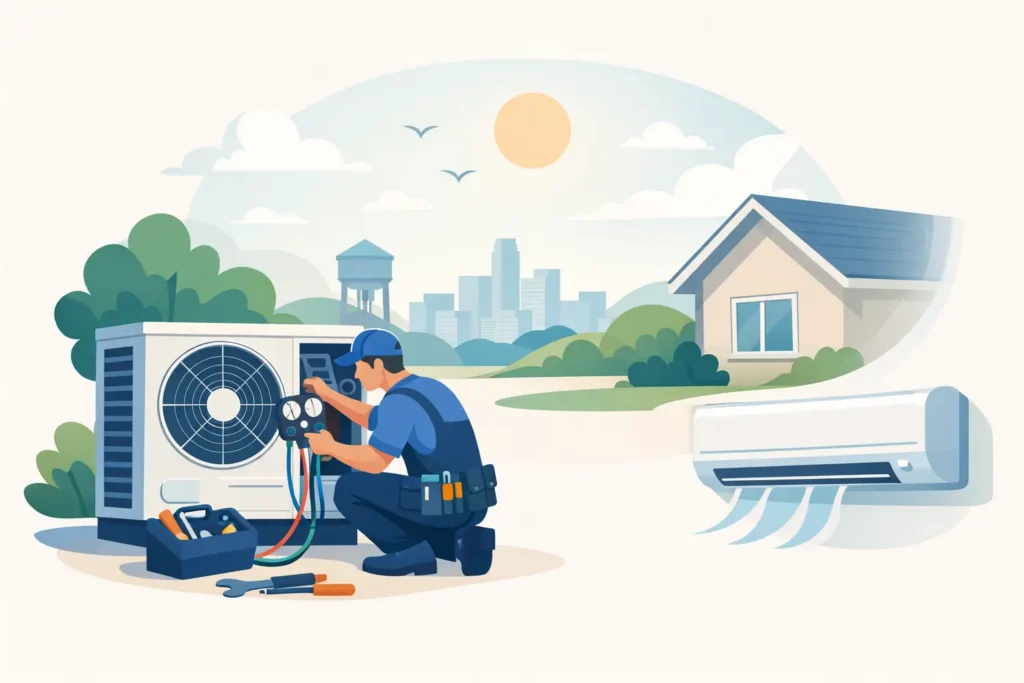
A North Texas air conditioner rarely picks a convenient time to quit. It may start blowing warm air during a 100-degree afternoon, trip the breaker after everyone gets home, or run all night without bringing the temperature down. When you need air conditioning repair North Richland Hills homeowners can count on, a fast diagnosis matters, but so does an honest explanation of what failed, what it will cost to fix, and whether a repair makes sense for your system.
For families, homeowners, and property managers, the goal is not simply to get cool air back for a day. It is to restore dependable comfort without being pushed into unnecessary work. A qualified local HVAC technician should look beyond the immediate symptom, identify the cause, and give you practical options based on the age, condition, and performance of your equipment.
When to Call for Air Conditioning Repair in North Richland Hills
Some AC problems are obvious. If the system will not turn on, is blowing warm air, or has stopped cooling entirely, it is time to request service. Other warning signs can be easier to dismiss, especially if the unit still produces some cool air. Waiting through those early signs can turn a smaller repair into a longer, more expensive breakdown.
Call for professional service when your air conditioner is short cycling, running constantly, making grinding or buzzing sounds, leaking water around the indoor unit, or producing uneven temperatures from room to room. A sharp increase in your electric bill can also point to a system that is working much harder than it should.
An AC that repeatedly trips a breaker needs prompt attention. Turning the breaker back on may get the equipment running temporarily, but recurring electrical issues can indicate a failing part, damaged wiring, or a compressor problem. Similarly, ice on refrigerant lines is not a sign that the system is cooling extra well. It often means airflow or refrigerant performance needs to be checked.
What a Proper AC Diagnosis Should Include
Air conditioning equipment is a system, not a single box outside. The thermostat, electrical connections, indoor blower, evaporator coil, drain line, condenser coil, refrigerant circuit, and ductwork all affect how well your home cools. That is why replacing a part without testing the system can leave the real issue unresolved.
A thorough repair visit starts with listening. Your technician should ask when the problem began, whether it happens at a certain time of day, and what you have noticed about noise, airflow, humidity, or energy use. From there, the equipment can be tested for safe operation and proper performance.
Depending on the issue, service may include checking the thermostat settings and calibration, inspecting electrical components, measuring airflow, cleaning or evaluating coils, checking the condensate drain, and testing refrigerant pressures. If a refrigerant leak is suspected, the source should be identified rather than simply adding refrigerant and hoping for the best.
The right repair depends on what the testing shows. A clogged drain line, worn capacitor, dirty outdoor coil, failing contactor, blower motor issue, or refrigerant leak each calls for a different solution. Clear communication is part of good service. You should understand the recommended repair, the urgency of the issue, and the likely outcome before authorizing work.
Common Problems Behind Poor Cooling
Texas summers expose weak points in an air conditioning system quickly. Dirty filters are one of the most common causes of restricted airflow. When airflow drops, the system may cool unevenly, freeze up, or run longer than normal. Homeowners can usually help by checking the filter regularly and replacing it with the correct type and size.
A dirty condenser coil is another frequent issue. The outdoor unit releases heat from your home, and dirt, grass clippings, and debris make that job harder. The unit may still run, but it can lose efficiency and experience unnecessary strain. Keep plants and stored items clear of the condenser, but leave deep coil cleaning and electrical work to a trained technician.
Capacitors and contactors also commonly fail during heavy cooling seasons. These electrical parts help the motors and compressor start and run correctly. Symptoms may include humming, delayed starts, intermittent operation, or an outdoor unit that will not turn on even though the indoor blower is running.
Not every comfort complaint is a mechanical failure. Leaky ducts, undersized equipment, poor attic insulation, and thermostat placement can all create hot rooms and uneven cooling. In those cases, replacing an AC part alone may not solve the bigger comfort problem. A good service provider will explain when the issue involves the whole home rather than the air conditioner itself.
Repair or Replace? Make the Decision With Real Information
A repair is often the most sensible choice when the system is relatively new, has been maintained, and needs a straightforward component replacement. It can be especially reasonable when the repair restores normal performance and the equipment has several useful years remaining.
Replacement deserves consideration when repairs are frequent, the system is near or beyond its expected service life, or a major component such as the compressor has failed. Older systems may also use refrigerant that is more costly or difficult to source. Even when an aging unit can be repaired, it may continue to lose efficiency and require more attention over the next few seasons.
There is no one-size-fits-all rule. The lowest immediate price is not always the lowest long-term cost, and replacement is not automatically the best answer for every repair. Ask for the repair cost, the condition of the rest of the equipment, expected efficiency improvements from a new system, and available financing options if replacement is recommended. Those details make it easier to choose confidently.
Steps to Take Before the Technician Arrives
A few safe checks can sometimes identify a simple issue and help make the visit more efficient. Confirm that the thermostat is set to cool and that the temperature setting is below the current indoor temperature. Make sure the filter is not heavily clogged, and check that supply vents and return vents are open and unobstructed.
Look outside to see whether the condenser has leaves, lawn debris, or objects blocking airflow. If you see water near the indoor unit, turn the system off to help prevent further damage and place towels around the area if needed. If the breaker has tripped repeatedly, do not continue resetting it.
Avoid opening electrical panels, attempting refrigerant work, or forcing a frozen system to run. These problems need professional equipment and testing. Taking a photo or short video of an error message, ice buildup, water leak, or unusual sound can be useful when you describe the problem.
Why Preventive AC Service Pays Off
Most breakdowns do not begin as sudden failures. They start with reduced airflow, loose electrical connections, worn parts, a dirty coil, or drainage issues that develop over time. Seasonal maintenance gives a technician the chance to spot those concerns before the hottest stretch of the year puts the system under maximum demand.
Regular service can improve reliability, protect efficiency, and help preserve manufacturer requirements for maintained equipment. It also gives homeowners a clearer picture of the system’s condition before an emergency forces a quick decision. For commercial properties, preventive maintenance can reduce disruptions for tenants, staff, and customers while helping managers plan for future equipment costs.
If your system is cooling but struggling, do not wait for a complete shutdown. Scheduling service early can provide more flexibility than calling during a peak-season emergency.
Local Help for Lasting Home Comfort
North Richland Hills homes see long cooling seasons, high humidity, and intense heat that demand a lot from HVAC equipment. Whether you need a minor repair, help with recurring AC issues, or guidance on replacing an older system, dependable local service starts with a clear diagnosis and upfront options.
Malcolm’s HVAC serves North Richland Hills and nearby Fort Worth-area communities with residential and commercial HVAC support focused on practical solutions, responsive service, and long-term comfort. When your AC gives you a warning sign, acting early can protect your comfort, your budget, and the life of your equipment.